
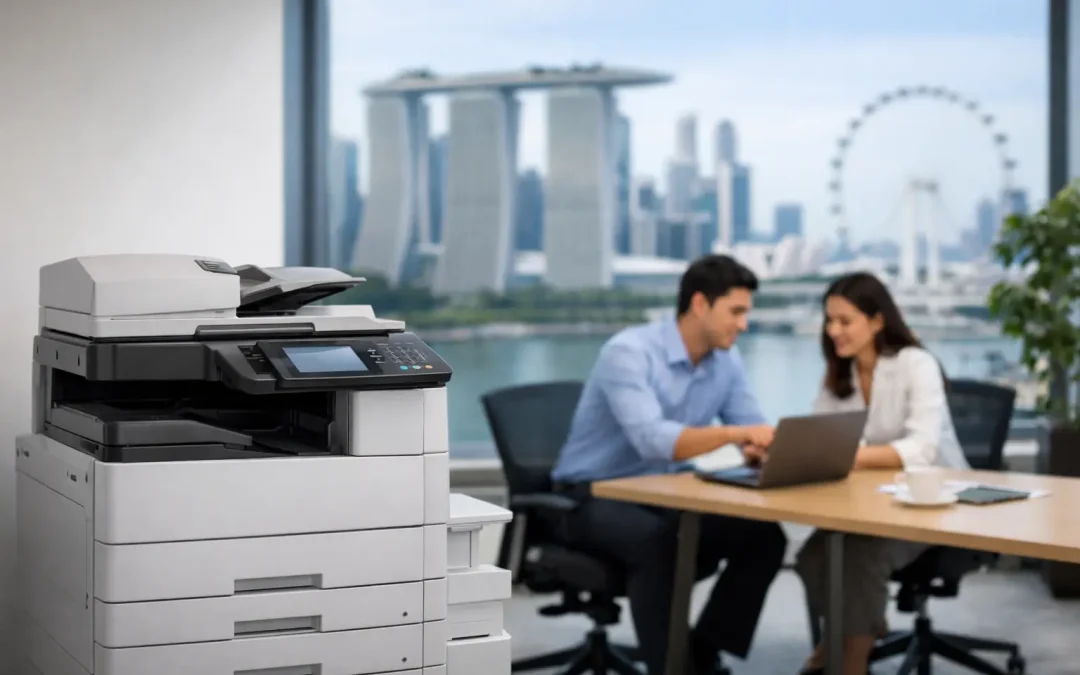
A copier that frequently jams, produces faded invoices, or creates queues at month-end is not a small office annoyance. It is a productivity cost that compounds across your team. Yet when comparing copier lease cost singapore options, many SMEs focus only on the advertised monthly figure and miss the charges, usage assumptions, and support terms that determine the real cost.
A well-structured device plan should give your business reliable print performance without tying up capital needed for hiring, inventory, software, or marketing. The right question is not simply, “What is the cheapest copier lease?” It is, “What will this device cost us to operate while helping our team work faster?”
What Shapes Copier Lease Cost in Singapore?
Lease pricing varies because multifunction devices are not interchangeable. A compact black-and-white machine for a five-person office has very different requirements from a color multifunction printer supporting a busy finance, sales, and operations team.
For a basic desktop or entry-level multifunction device, monthly lease rates may begin around S$100 to S$200. Mid-volume color multifunction copiers commonly fall in the S$200 to S$450 range. Higher-volume departmental devices with advanced finishing, stronger security controls, and faster output can cost S$500 or more per month. These figures are useful starting points, not a substitute for a tailored quotation.
The device itself is only one part of the equation. A meaningful comparison should account for four connected cost areas:
- The fixed monthly equipment rental or device-plan fee
- Per-page charges for black-and-white and color printing
- Service, maintenance, toner, parts, and response-time coverage
- Optional features such as scanning workflows, finishing modules, secure release, and cloud connectivity
A low base rental can look attractive but become expensive if color click charges are high, your included volume is too low, or service coverage is limited. Conversely, paying more for a device with appropriate capacity and support can reduce reprints, downtime, and staff time spent troubleshooting.
Print Volume Is the Starting Point
Your average monthly print volume is the clearest driver of cost. A business producing 1,000 pages per month should not lease a high-output production-class machine. It would be paying for speed and capacity it may never use. At the same time, placing a low-duty device in a 20-person office that prints 15,000 pages monthly often leads to wear, delays, and avoidable service calls.
Review at least three to six months of actual usage before requesting proposals. Separate black-and-white pages from color pages, since color output is typically more expensive. Also identify seasonal peaks. Accounting firms may print heavily during reporting periods, while training providers can experience sharp demand around program launches.
A good provider will use this information to recommend a suitable Fujifilm multifunction device and a print allowance that reflects your normal workload, rather than pushing the largest machine available.
Color Printing Changes the Economics
Color brochures, proposals, presentation decks, and marketing collateral can make a stronger impression than monochrome documents. But color printing is not priced like black-and-white output. If employees print internal drafts in full color by default, monthly usage can climb quickly.
This does not mean your business should avoid color. It means you need practical controls. Defaulting routine documents to black and white, requiring a code for color printing, and setting sensible print rules by department can protect your budget without limiting customer-facing work. Modern multifunction devices can support these controls while giving administrators visibility over usage.
Copier Lease Cost Singapore: What Is Usually Included?
A copier lease or device plan can be straightforward, but only if the quotation states what is included. Ask for the monthly rental, contract term, included print volume, black-and-white and color excess charges, delivery, installation, user training, and service coverage in writing.
In many managed print arrangements, toner, routine maintenance, replacement parts, and technician support are included. Paper is normally excluded. Some plans also exclude unusual repairs caused by misuse, physical damage, power issues, or non-approved consumables. There is nothing unreasonable about these exclusions, but they should be clear before you sign.
Response times deserve particular attention. A copier problem is more disruptive to a logistics team printing delivery orders than to a small team that prints occasionally. Ask how service requests are logged, the expected response window, whether remote diagnosis is available, and what happens if a major repair takes longer than expected.
Do Not Confuse Lease Price With Total Cost of Ownership
The monthly lease payment is a predictable operating expense. Total cost of ownership considers everything required to keep documents moving: excess prints, service calls outside the agreement, electricity, paper, staff time, security exposure, and productivity lost when the device is unavailable.
For example, a S$180 monthly plan with an unrealistic print allowance may be less economical than a S$280 plan designed around your actual workload. The first option may produce recurring excess-print charges and leave your staff managing toner shortages or outages. The second may include better coverage and reduce administration.
The difference becomes more significant when documents are central to your operations. Purchase orders, client contracts, HR records, invoices, work orders, and compliance files all depend on dependable output and accessible digital records.
Choosing a Contract Term That Fits Your Growth Plan
Most copier agreements run for several years. A longer term can reduce the monthly payment, but it also commits you to a device and usage profile for longer. This is a sensible trade-off for stable offices with predictable needs. It is less suitable for a business planning rapid hiring, relocation, or a major move toward digital document workflows.
Before selecting a term, consider where your company will be in 24 to 48 months. Will headcount increase? Will you open another location? Are you replacing paper approval processes with custom software or cloud-based systems? Will your sales team require more presentation-quality color output?
Flexibility has value. Ask whether the plan allows upgrades when your needs change, what happens if you relocate, and whether additional devices can be added under a consistent support arrangement. The goal is not to overpay for future capacity today. It is to avoid a contract that prevents sensible growth tomorrow.
How to Get a More Accurate Quote
A useful copier proposal begins with a short operational review, not a generic price list. Share your monthly black-and-white and color volumes, the number of users, document types, current pain points, and any security or workflow requirements. If your team scans invoices to an accounting system, digitizes signed forms, or sends documents to shared folders, mention that early.
Scanning capability can be more valuable than faster printing. Features such as searchable PDF creation, scan-to-email, scan-to-folder, and user authentication can reduce manual filing and help teams retrieve information faster. For businesses modernizing processes, the copier should function as part of a wider document workflow, not as an isolated print station.
Also ask providers to show the calculation behind their recommendation. You should understand the estimated monthly payment at your normal volume, the cost at a higher-volume month, and the charges that would apply beyond your allowance. This makes budget planning far more reliable.
When Leasing Delivers Better Value Than Buying
Buying may suit businesses with available capital, very low print volumes, and confidence that their requirements will remain stable. Leasing is often more practical for SMEs that want predictable monthly costs, current technology, and service support without a large upfront purchase.
The best choice depends on cash flow and operational needs. If a device failure would interrupt billing, customer service, or daily fulfillment, a managed plan can be worth more than the hardware alone. It places maintenance responsibility with the provider and gives your team a clearer route to support.
CSS Office Solutions helps Singapore businesses match Fujifilm multifunction devices to real print volumes, document workflows, and growth priorities. A properly sized device plan can reduce overhead while supporting a more organized, scalable office.
Before accepting the lowest quote, ask for the full picture: expected monthly spend, excess-print costs, service commitments, device capabilities, and upgrade options. The right copier lease should not merely keep pages printing. It should give your team one less operational bottleneck to manage as the business moves forward.